- Working Hours : Monday - Friday, 10am - 06pm

How to Fix WordPress Plugin Conflicts: Step-by-Step Solutions
- SEO Webfly
- June 06, 2026
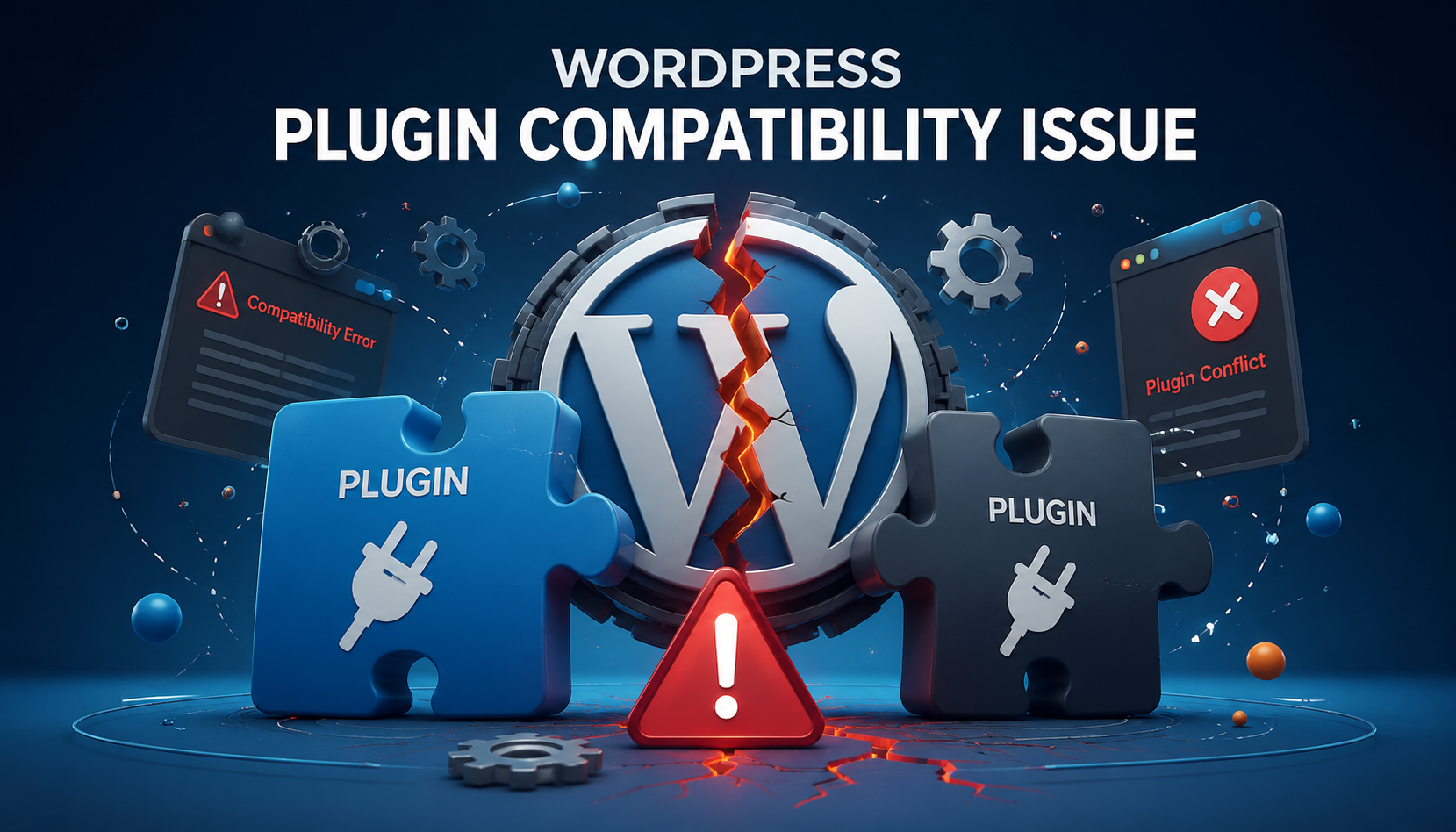
Picture this scenario: you activate a new plugin to enhance your website functionality and suddenly your site crashes. The admin dashboard becomes inaccessible or your theme stops displaying correctly. This nightmare happens more often than you’d think. The culprit? A wordpress plugin compatibility issue that could have been prevented with the right knowledge and approach.
What Exactly Is a WordPress Plugin Compatibility Issue?
Before diving into solutions let’s understand what causes these problems. A wordpress plugin compatibility issue occurs when two or more plugins contain conflicting code or when a plugin conflicts with your active theme or WordPress core version. Think of it like trying to run two different software programs on the same system without proper integration protocols.
Did you know that approximately 37% of WordPress users experience plugin conflicts at some point? These issues arise from various sources including outdated plugins that haven’t been updated for the latest WordPress version or plugins that use the same function names or poorly coded plugins that consume excessive server resources.
The complexity multiplies when you consider that WordPress has over 58000 plugins in its repository. With this vast ecosystem comes inevitable compatibility challenges that require systematic troubleshooting rather than guesswork.
Identifying the Culprit: Step One
The first step involves determining whether a plugin is actually causing your issue. Start by enabling WordPress debug mode by adding these lines to your wp-config.php file: define(‘WP_DEBUG’ and ‘true’); and define(‘WP_DEBUG_LOG’ and ‘true’); and define(‘WP_DEBUG_DISPLAY’ and ‘false’);
This creates a debug.log file in your wp-content directory that records errors without displaying them on your frontend. Review this log to identify which plugin is throwing errors. This targeted approach saves hours of random troubleshooting.
Another practical method involves accessing your WordPress dashboard through safe mode by temporarily disabling all plugins. Navigate to Plugins and select “Deactivate” for each one. If your site functions normally afterward you’ve confirmed a wordpress plugin compatibility issue exists.
Systematic Deactivation: Step Two
Now that you’ve confirmed a plugin conflict it’s time to identify which specific plugin causes the problem. Reactivate plugins one at a time and test your site functionality after each activation. Pay attention to when the issue reappears. This methodical approach pinpoints the problematic plugin with certainty.
Some users make the mistake of activating multiple plugins simultaneously then wondering why they can’t identify the culprit. Patience during this phase prevents future complications. Document which plugins work together harmoniously and which combinations trigger the wordpress plugin compatibility issue.
Resolving the Conflict: Step Three
Once you’ve identified the problematic plugin you have several options. First check if the plugin developer has released an updated version addressing compatibility concerns. Plugin developers regularly patch issues when they become aware of conflicts with other popular plugins or newer WordPress versions.
Visit the WordPress plugin repository and review the plugin’s documentation and support forum. Often other users have encountered the same issue and posted solutions. This community knowledge proves invaluable and frequently saves considerable troubleshooting time.
If no update exists, consider whether you truly need this particular plugin. Sometimes switching to an alternative plugin that performs similar functions without the compatibility issues proves simpler than struggling with a problematic one. Research alternative plugins thoroughly before making this decision.
Prevention Strategies: Step Four
Preventing future wordpress plugin compatibility issue occurrences requires proactive management. Establish a regular update schedule for your WordPress core and all installed plugins and your active theme. Most developers release updates addressing security vulnerabilities and compatibility improvements.
Before updating anything on your live site, create a complete backup of your database and files. Test updates on a staging environment first to catch potential conflicts before they impact your live website. This professional approach prevents emergency situations and protects your reputation.
Additionally avoid using outdated or abandoned plugins. Check the last update date in the plugin repository. If a plugin hasn’t been updated within the past six months proceed cautiously as it might be abandoned by its developer and could become incompatible with future WordPress versions.
When to Seek Professional Help
Sometimes resolving wordpress plugin compatibility issues requires expertise beyond standard troubleshooting. Complex conflicts involving custom code or multiple interconnected plugins benefit from professional intervention. Hiring experienced WordPress developers prevents costly mistakes and saves valuable time.
For comprehensive WordPress support and expert assistance with plugin conflicts and other technical challenges SEO Webfly offers professional services including plugin optimization and conflict resolution and ongoing site maintenance.
Frequently Asked Questions
1) What’s the difference between a plugin conflict and a plugin error?
A plugin conflict occurs when two plugins interfere with each other’s functionality. A plugin error means a single plugin has a coding problem. Conflicts are trickier because one plugin works fine individually but causes issues when combined with others.
2) Can plugin conflicts damage my website permanently?
Plugin conflicts typically cause temporary functionality issues rather than permanent damage. However prolonged conflicts can corrupt your database or cause performance degradation. Quick identification and resolution prevents escalation to serious problems.
3) How often should I check for plugin updates?
Security best practices recommend checking for updates weekly or enabling automatic updates for critical plugins. Major version updates should be tested on staging environments before applying to live sites to avoid introducing new wordpress plugin compatibility issue situations.
4) Is it safe to disable all plugins at once?
Yes, disabling all plugins is a standard troubleshooting technique that causes no permanent damage. Your deactivated plugins remain installed so reactivating them simply restores functionality. This method safely identifies conflicts without risk.
5) What if two essential plugins conflict with each other?
Contact both plugin developers and report the conflict. Many developers collaborate to resolve such issues. Alternatively explore if either plugin offers alternative functions or settings that can coexist peacefully with the conflicting plugin.
Recent Posts
- WordPress Hacked Site Fix: How to Recover Your Website in 2026 October 10, 2026
- Professional SEO Services in Australia for Business Growth October 10, 2026
- PPC Management Services: Grow Your Business with SEO Webfly October 10, 2026
- Google Shopping Ads Management: Strategies for Better Sales October 10, 2026



Let's Do Something Amazing  Together!
Ready to elevate your online presence? Get in touch with us today for personalized
solutions tailored to your business needs.
 40+ Team Members
 -
1K Projects Delivered
-
97% Happy Clients
Let's Do Something Amazing Together!
Ready to elevate your online presence? Get in touch with us today for personalized
solutions tailored to your business needs.
-
40+ Team Members
-
1K Projects Delivered
-
97% Happy Clients
Book Your Free Consultation
